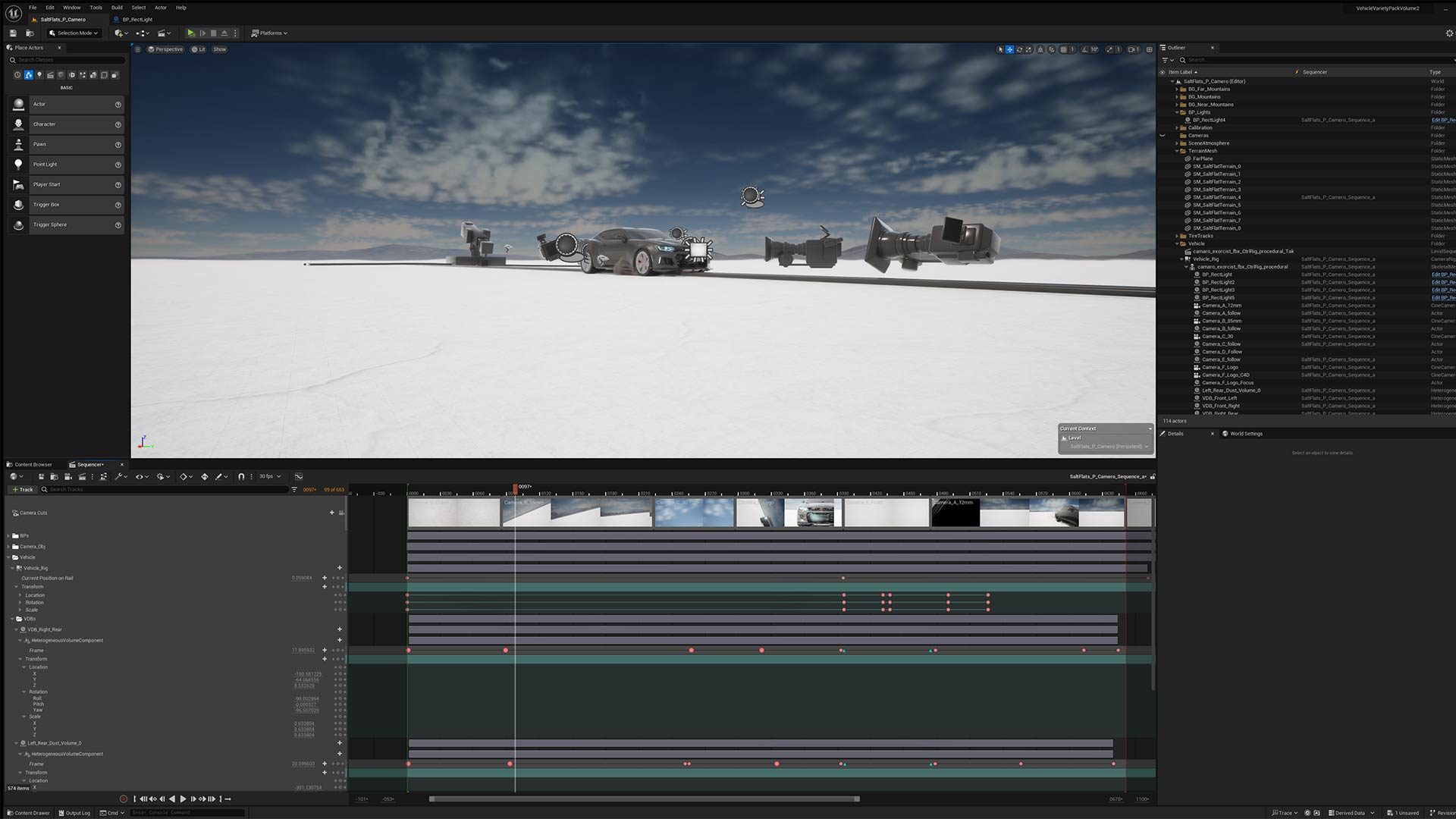
Camaro ZL1 Case study : digital adVIEW BEHIND THE SCENES Let's delve into the dynamic world of product animation, using 3D software to create an engaging digital commercial ad. View AD IRead More Below arrow_upwardClick Here to View AdClick here to view behind the scenesarrow_upwardXXX
LEVERAGING 3D ANIMATION WITH
UNREAL ENGINE
Why did I embark on this case study journey?
Recently, I found myself engaged in a thought-provoking conversation with a Creative Director and a Marketing colleague, both seasoned professionals in the advertising realm, catering to clients in B2B and Consumer Product Goods sectors. To my surprise, they inquired about Unreal Engine—a query that resonated deeply, considering their non-technical backgrounds. The fact that this software had permeated a buzz beyond my usual peers, who are creative engineers, sparked my curiosity.
With my understanding that Unreal Engine was initially conceived by Epic Games, a prominent player in the gaming industry responsible for hit titles like Fortnite, Gears of War, and Final Fantasy, I embarked on a journey to uncover its broader applications. Despite none of us having direct affiliations with gaming, the interest from my peers prompted me to explore the significance of Unreal Engine in our professional landscape.
Delving into the software and its functionalities, I unearthed a multitude of possibilities that extended far beyond the realm of gaming. The versatility of Unreal Engine, it turns out, extends to realms such as product visualization, architectural visualization, virtual production, and more. Its robust capabilities in rendering photorealistic environments and immersive experiences have garnered attention across diverse industries, positioning it as a powerful tool for creative expression and innovation.
Let's Talk Tech: The Evolution of 3D Animation with Unreal Engine
In the fast-paced world of technology, the rapid advancement of video cards has revolutionized 3D animation, making it an essential tool for captivating user engagement. Enter Unreal Engine by Epic Games—a true game-changer in the creative 3D workflow. This cutting-edge software leverages the power of high-end video graphics cards to drastically reduce rendering times, eliminating the need for cumbersome render farms when producing short digital videos (15-60 seconds). Say goodbye to time-consuming processes and embrace unparalleled flexibility, empowering creators to explore boundless creative possibilities and collaborate seamlessly with team members.
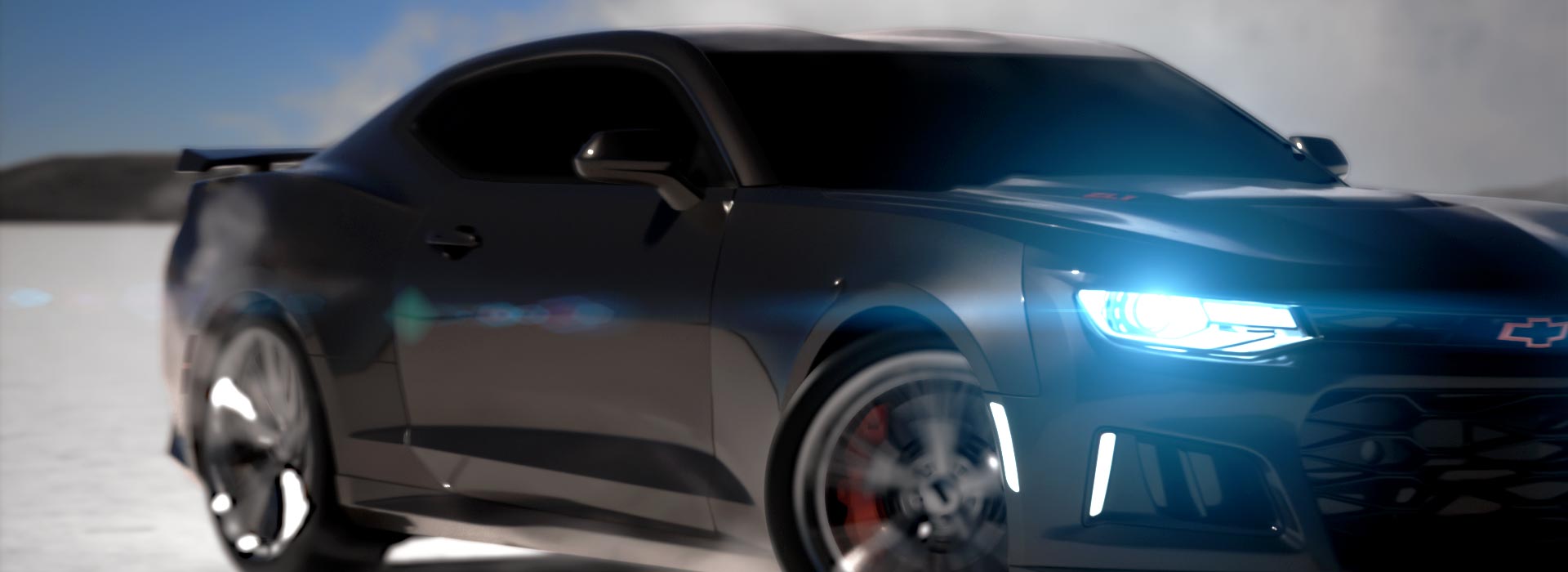
3D digital version of the Cheverolet Camaro ZL1 rendered in UnrealEngine. Composited using Adobe AfterEffects
The purpose of this case study.
I always wanted to make a digital car commercial but the rendering bottleneck and render farm cost held me back. So, after my research of integrating UnrealEngine into the 3D pipeline workflow, I thought this would be the perfect time to apply what I have learned and create a car commercial for the Chevy Z1 Camaro.
Unlike traditional static advertising, motion design allows for flexibility and iteration. Changes can be made relatively quickly and cost-effectively, enabling you to experiment with different ideas, formats, and messages to optimize campaign performance. There has been a significant demand for using 3D product animations to increase customer awareness, brand recognition, and product education. This trend is driven by several factors:
Enhanced Customer Engagement: 3D animations are more interactive and visually appealing, capturing customers’ attention more effectively than traditional 2D images or text. customer awareness, brand recognition, and product education. This trend is driven by several factors:
Improved Product Understanding: 3D animations can demonstrate the functionality, features, and benefits of a product in a more comprehensive and detailed manner, helping customers understand the product better.
Increased Conversion Rates: Engaging and informative 3D animations can lead to higher conversion rates by providing potential customers with a clearer and more convincing presentation of the product.
Cost-Effective Prototyping: Companies can use 3D animations to showcase prototypes and concepts without the need for physical models, saving on production costs and time.
Customization and Personalization: 3D animations allow for customization, enabling customers to visualize products in different colors, sizes, or configurations, enhancing the shopping experience.
Enhanced Brand Image: High-quality 3D animations can elevate a brand’s image, making it appear more innovative and technologically advanced.
Compatibility with Modern Platforms: 3D animations are well-suited for various digital platforms, including websites, social media, and mobile apps, aligning with the increasing digital consumption of media.
Better Storytelling: 3D animations provide a dynamic way to tell a brand’s story, creating a more immersive experience that can resonate more deeply with customers.
Analytics and Insights: Digital platforms often offer detailed analytics on how users interact with 3D content, providing valuable insights into customer preferences and behavior.
Overall, the demand for 3D product animations continues to grow as brands recognize the potential to create immersive, memorable experiences that drive customer engagement, increase brand awareness, and facilitate product education.